Understanding laying hen welfare: what every hen needs for a good life
By Charlotte Arthur, RSPCA senior scientific and policy officer for poultry
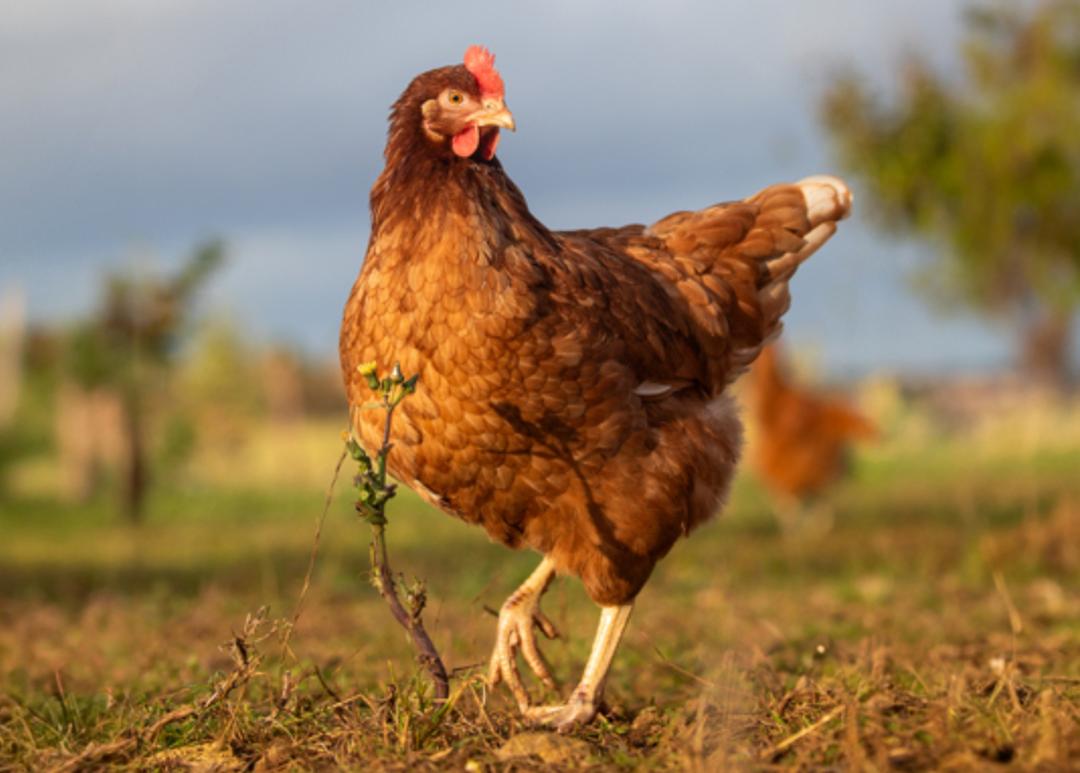
What does a good life look like for a laying hen?
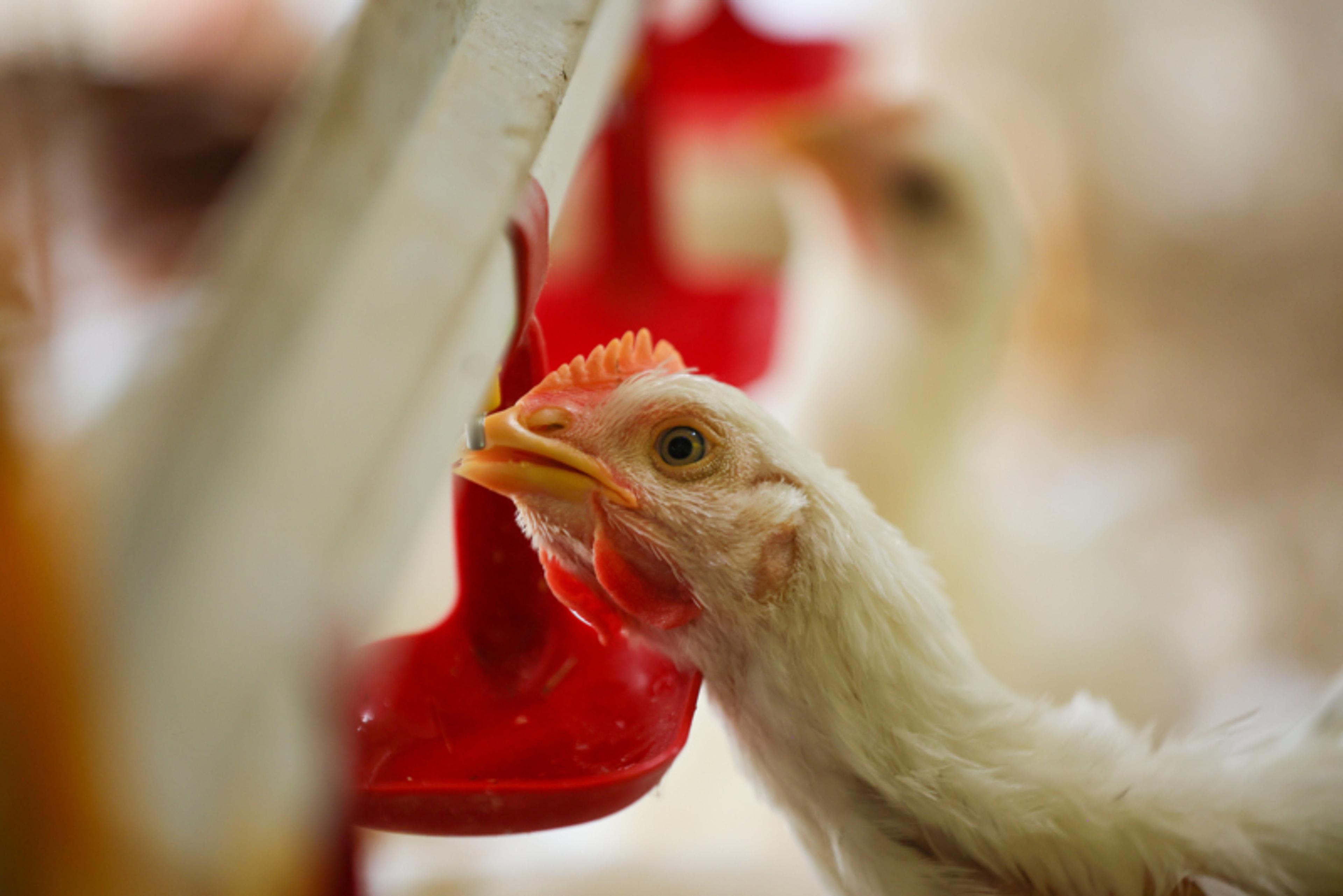
Hens are intelligent, inquisitive animals with strong natural instincts. They love to scratch around for food, explore their surroundings, take dustbaths and find somewhere safe to perch.
As a farmed animal welfare scientist at the RSPCA, I work to understand what hens need to live healthy, happy lives – and how farming practices can help meet those needs.
Here’s what good laying hen welfare looks like and why it matters.
What do laying hens need for good welfare?
Good welfare is about more than preventing illness, injury or discomfort. It’s also about giving hens opportunities to express their natural behaviours and have positive experiences.
For example, hens are strongly motivated to scratch and forage for food even when they've already been given a complete, balanced diet.
They also need suitable places to perch, rest, lay their eggs and dustbathe.
Providing the right environment, alongside nutritious food, fresh water and attentive care helps hens stay healthy and behave naturally.
Environmental conditions matter too, particularly during periods of extreme weather. For example, keeping hens cool in hot weather is an important part of protecting their health and welfare.

How are laying hens kept in the UK?
There are four main egg production systems in the UK: caged, barn, free-range and organic.
Although traditional battery cages were banned in 2012, enriched colony cages are still permitted, severely restricting hens’ movement and natural behaviours.
Barn hens can move freely indoors, while free-range and organic hens also have access to outdoor areas, subject to restrictions such as disease prevention measures.
Whatever the system, good management and attentive care are essential.
You can find out more about the welfare concerns associated with cages, and how to avoid buying caged eggs, in our dedicated guide.

How does RSPCA Assured improve laying hen welfare?
The RSPCA's higher welfare standards go beyond minimum legal requirements and cover every stage of a laying hen's life from housing and diet to health and care.
Importantly, cages aren’t permitted. Instead, hens on RSPCA Assured members’ farms are kept in free-range, organic or higher-welfare barn systems.
The standards also include requirements for perches, nesting areas, lighting and regular health checks.
RSPCA Assured members receive independent assessments to check they're meeting these standards.
For me, good welfare isn't about one particular feature. It's the combination of suitable housing, good management and opportunities for natural behaviours that makes the difference.
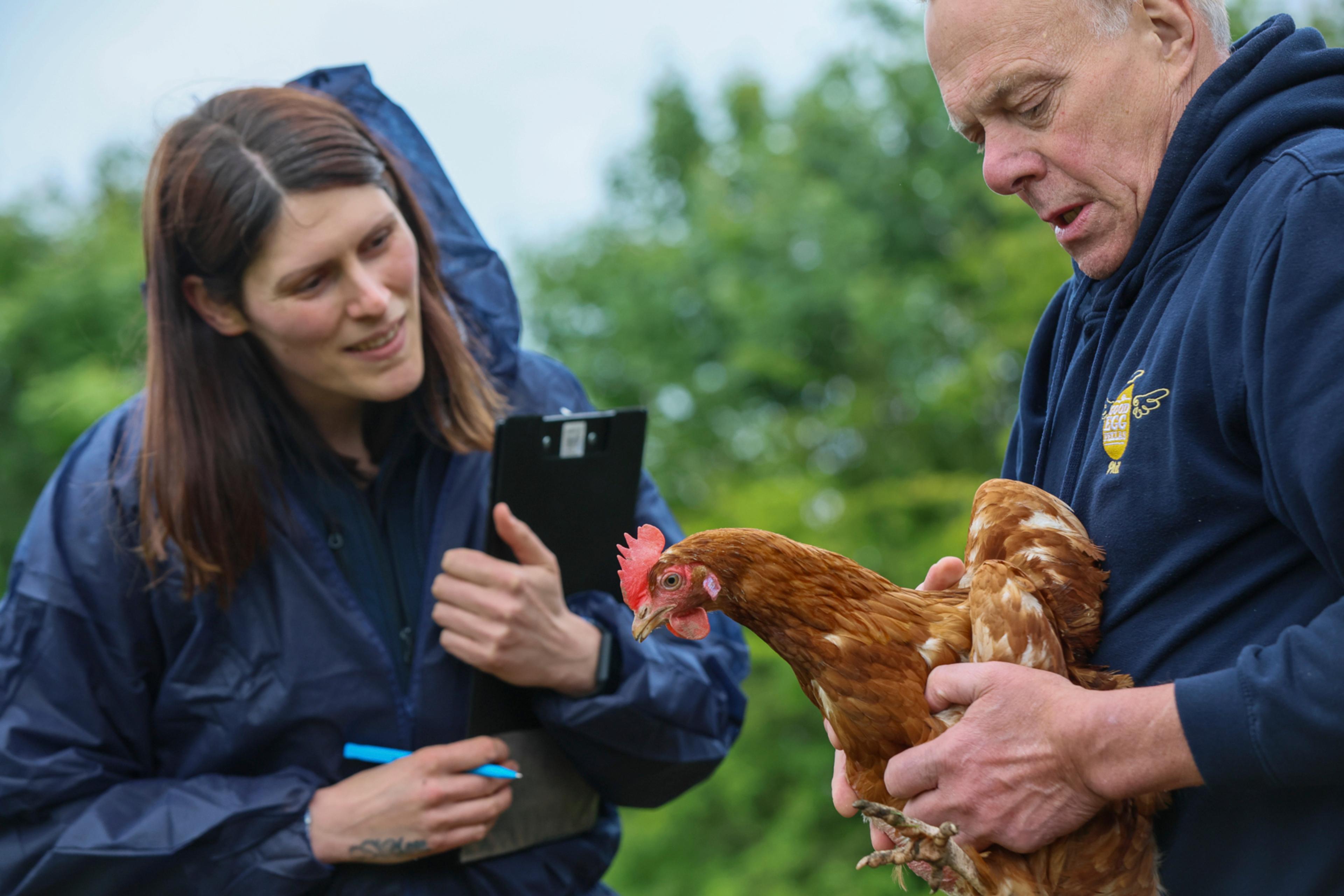
How can we help improve laying hen welfare?
Millions of hens in the UK are still kept in cages, so there’s more to do to improve their welfare.
One of the simplest ways to help is to make informed choices about the eggs you buy.
For example, there’s a common myth that the colour of an eggshell or yolk tells you something about how well a hen has been cared for. But does egg colour really tell us anything about hen welfare?
Instead, look for eggs carrying the RSPCA Assured label. This is one way to support farms that meet the RSPCA’s higher welfare standards.
You can also help by asking your supermarket to stock more higher-welfare products.
Every step towards higher-welfare farming helps create a better future for laying hens.

Sunday 18 October 2026