How hens keep cool in the heat
By Charlotte Arthur, RSPCA senior scientific and policy officer for poultry

While we might look for shade, have a cold drink or enjoy sitting by the pool to cool down as temperatures rise, hens have found their own clever way to manage in the heat.
Unlike humans, hens can’t sweat to help them cool down. Instead, they rely on releasing heat through areas of their body with less feather coverage, including their combs (the fleshy red crest on top of their heads), their wattles (the loose skin on their necks) and their feet.
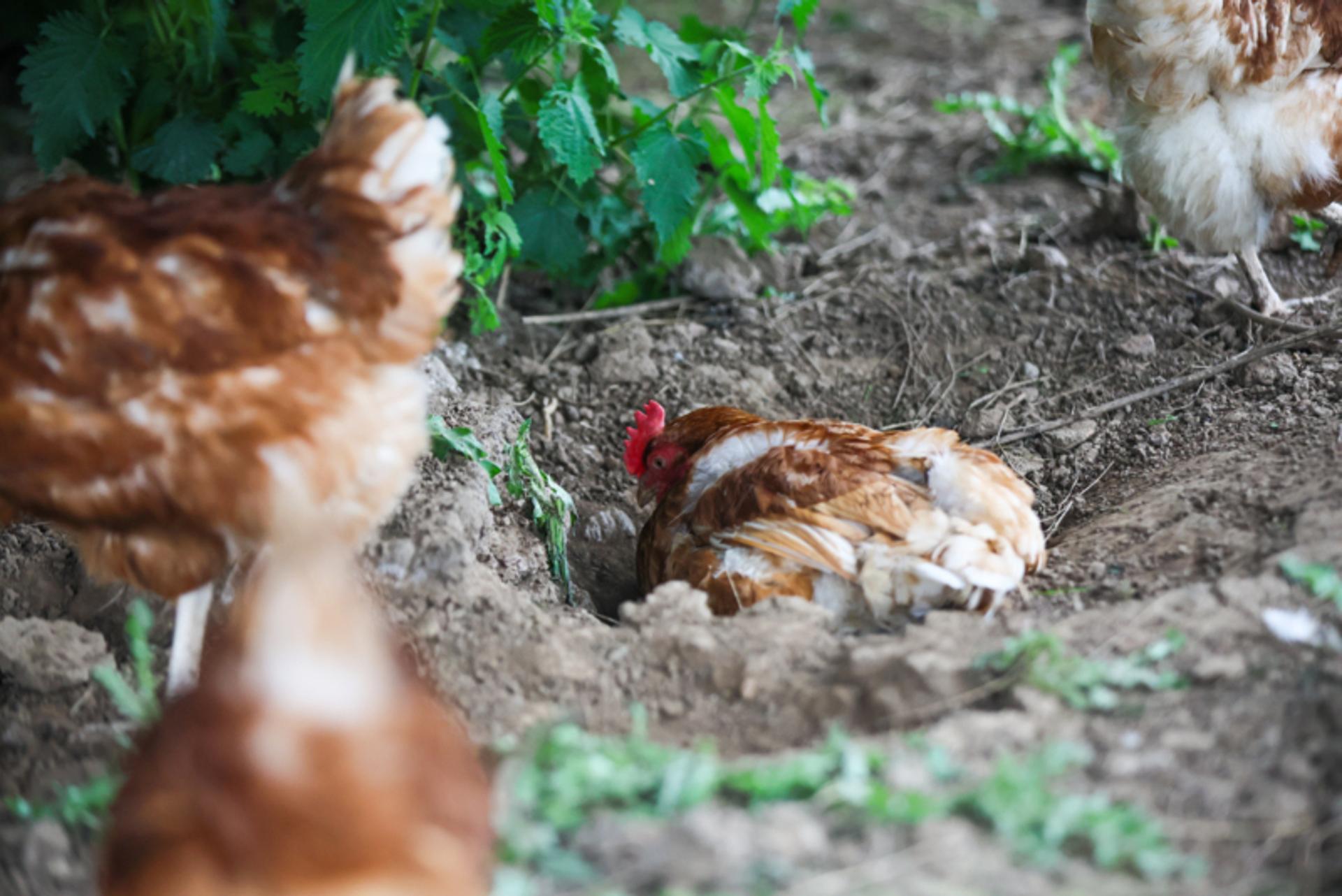
During the summer, it’s common to see hens scratching around in dry soil before lying down and flicking the dust through their feathers. This behaviour is called dustbathing. It helps hens stay cool, as well as supporting feather condition and skin health.
The benefits of dustbathing
Scratching around in the dust may not look appealing to us – but to a hen, dustbathing is like a trip to the spa. Covering themselves in dust is a way for them to:
- Regulate their body temperature
- Keep their feathers and skin in good condition
- Socialise with other hens in the flock.
And it’s not just hens who’ve learned the benefits of getting dirty. Many birds and mammals use dustbathing to help them cope with warmer weather.
How does dustbathing help chickens stay cool?
Firstly, it’s only the surface layer of the soil that becomes very warm in the sun. By scratching, hens reveal cooler soil underneath, creating shallow hollows to lie down in. This allows heat to transfer away from their bodies and helps them stay cool.
Dustbathing also helps hens keep cool by removing some of the natural oil from their feathers. Hens produce this oil from a gland near their tails, and it helps waterproof their feathers in colder, wetter weather.
In summer, though, dust can absorb some of that oil, allowing the feathers to fluff up more easily and improving airflow around the body. This helps heat escape and keeps hens more comfortable in warm conditions.
Dustbathing removes parasites from hens
Dustbathing also helps hens maintain healthy skin and feathers. By coating themselves in dust, they can dislodge and smother parasites such as mites and lice – improving their comfort and welfare.
I love watching hens in their natural environment. It always fascinates me how they respond to the world around them, and dustbathing is no exception.
It’s a highly contagious activity, so when one hen starts flapping her wings and throwing soil around, she’s often joined by her flockmates. They see the dust flying and rush over, so they can all benefit.
Helping hens beat the heat with shade
As well as dustbaths, creating plenty of shade is essential for keeping hens comfortable in the hot summer months.
Access to cool, shady areas on the range allows hens to escape the direct sun and rest during the hottest parts of the day.
Natural shade and shelter from trees and bushes is ideal as it can create a cooler spot, while also encouraging hens to range.
As you’d expect, hens drink more in hot weather, so it’s important to make sure their water supply is topped up and protected from the sun.
Keeping hens cool indoors
Good ventilation is one of the most important ways farmers help keep hens comfortable during hot weather.
Commercial hen houses are designed to allow fresh air to circulate, removing warm air and bringing in cooler air from outside. Some use natural airflow, while others use fans and ventilation systems to help maintain a comfortable temperature.
Giving hens enough space is also important. Lower stocking densities mean birds can spread out more easily, helping them stay cooler and reducing the build-up of heat within the flock.
Together, good ventilation and adequate space help hens cope better with high temperatures and reduce the risk of heat stress.
Extra welfare checks in hot weather
Hot weather can be hard on hens, so it’s especially important they’re checked carefully and regularly during warmer periods. Signs of heat stress in hens include panting, holding their wings away from their bodies, trying to move away from other birds and moving to cooler surfaces such as walls.
Making sure hens always have access to plenty of fresh water is essential, and their food and water intake should be monitored even more closely during hot weather. If there are any concerns about birds’ health and welfare, speak to your vet.
Keeping hens cool during transport
Transport can be particularly stressful for hens in hot weather, so extra care is needed when birds are moved. This may include transporting hens during cooler parts of the day or night, ensuring they’re well hydrated and giving them enough space for air to circulate around them.
Why hens should never be kept in cages
Being able to stay cool, move around freely and carry out natural behaviours such as dustbathing is a fundamental part of good hen welfare. That’s why the RSPCA’s standards for laying hens and chickens don’t allow cages.
Instead, hens on RSPCA Assured members’ farms must be kept in barn, free-range or organic systems, where they have more space and more opportunities to perform natural behaviours – including perching, foraging and dustbathing.
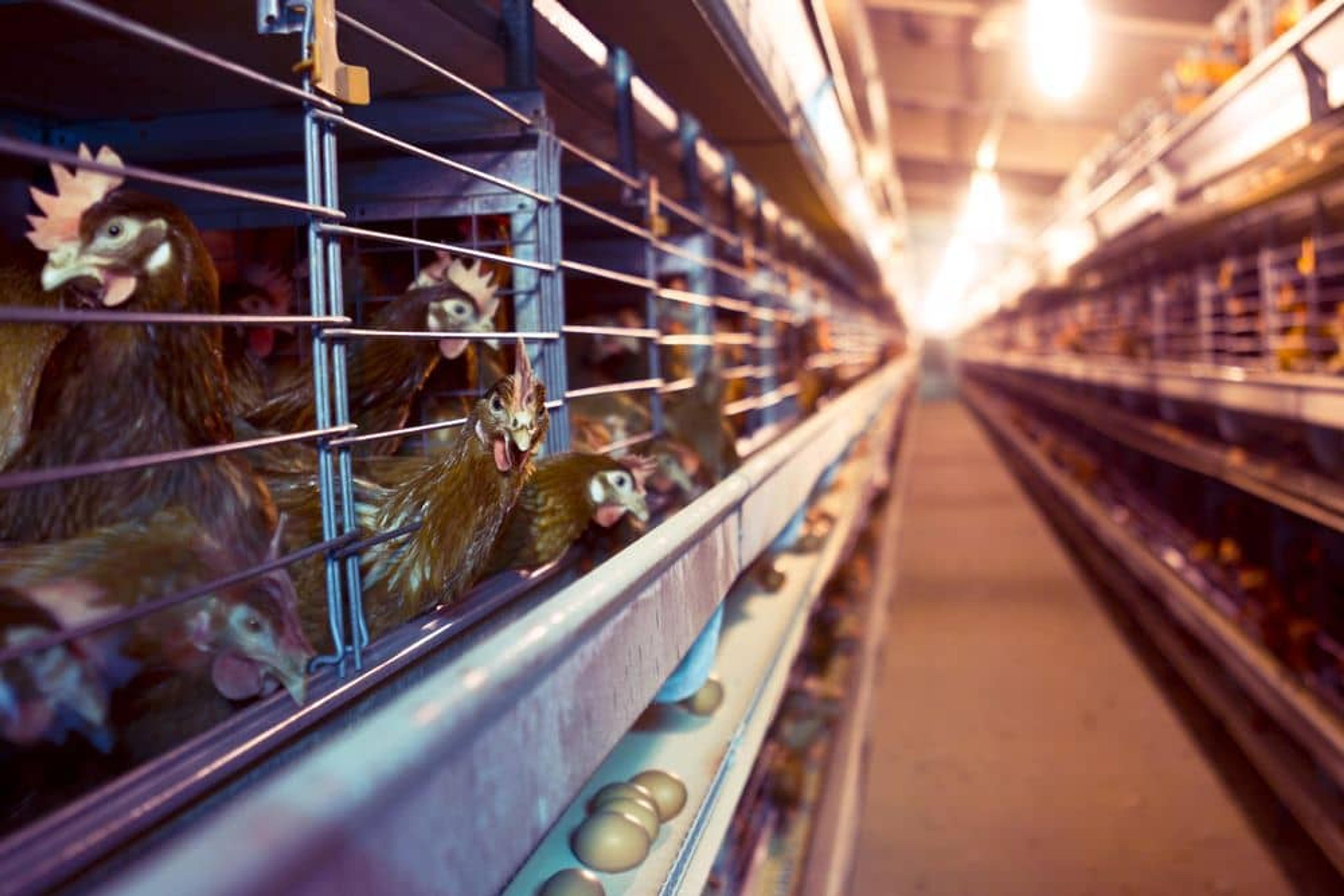
Sadly, around 14% of egg-laying hens in the UK are still kept in cages, where each bird has little more usable space than an A4 sheet of paper. These systems severely restrict many of the behaviours that are important to hens and limit their ability to respond naturally to challenges such as hot weather.
Hot weather can be challenging for hens, but access to shade, space, freshwater and opportunities to dustbathe can make a real difference to their comfort and welfare. That’s why giving hens an environment where they can behave naturally is so important – not just in summer, but all year round.
You can help by looking for the RSPCA Assured logo if you choose to buy eggs (and meat, fish or dairy products). It means farms – and every stage of the animals’ lives – have been assessed to the RSPCA’s strict welfare standards.
Want to know more? Explore the RSPCA’s welfare standards and discover the difference they – and RSPCA Assured – make to the lives of millions of farmed animals every year.
Thursday 25 June 2026